Posted in Events, HCSWeek22

Healthcare Science Week 2022 – A Day in the Life of 6 Healthcare Scientists

The 14-20th March 2022 was Healthcare Science Week – a week dedicated to raising awareness of the amazing work of healthcare science professionals, and celebrating the impact they have on patient care. Did you know that there are over 50,000 healthcare scientists working in the NHS and public health services in 50 different specialisms? The work of healthcare scientists underpins 80% of all diagnoses. For each day of HCS Week 2022, we posted a ‘Day in the Life’ of a different healthcare scientist on our Twitter and Instagram channels. See the whole week collated here!

With thanks to Ruth Braham, Katie Cheswick, Rachael Franklin, Charlotte Jones, Gabriel Santos, Alex Shaw and Linda Shi.

MONDAY: Vascular Science
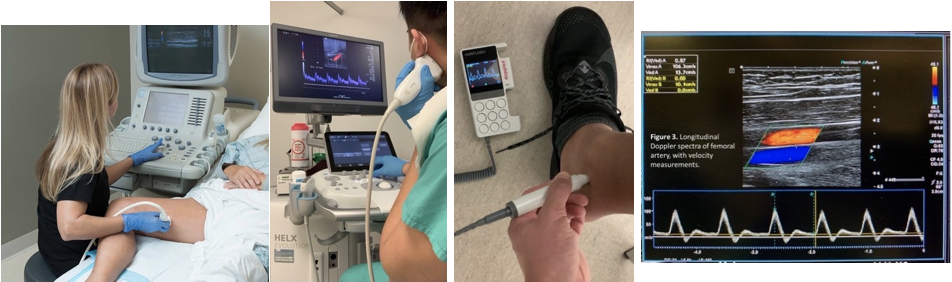
Vascular science is about the assessment of how blood flows in the body through arteries and veins which can be scanned and visualised in real-time using an ultrasound machine.

An ultrasound scan requires hand-eye coordination and dexterity for moving the ultrasound probe over a patients’ skin to detect their blood vessels which can be viewed on a digital screen. During these scans, vascular scientists use their knowledge of haemodynamic, ultrasound physics and vascular disease to assess blood vessels for plaque build-up, blood clots, aneurysms and measure parameters of blood flow. Such scans assist with the diagnosis of vascular disorders, including transient ischaemic attack (TIA), stroke, aneurysm, peripheral disease, deep vein thrombosis and varicose veins.

Our day-to-day role involves interacting with patients, particularly the elderly and those with disabilities and pre-existing health conditions. Responsibilities include taking patient history, performing ultrasound scans and reporting results to referring clinicians such as vascular surgeon’s, radiologist, specialist nurses or GPS.    

TUESDAY: Clinical Engineering

As a Clinical Engineering STP trainee you could be working in a variety of roles. In a hospital, the Clinical Engineering team will typically be involved in managing the operations and logistics of all the medical devices used within the hospital. But Clinical Engineers can also be found in Rehabilitation Engineering services where they work to provide customised wheelchair seating, orthotics and communication aids to patients. Additionally, Clinical Engineers work in patient facing roles across a wide range of Clinical Measurements services, such as Gait Analysis, Urodynamics, GI and much more. Here Clinical Engineers apply their understanding of Physics and Engineering principles, alongside their anatomical knowledge, for diagnosis, monitoring and treatment of patients.

As a Clinical Engineering STP trainee specialised in Clinical Measurement, I spend the majority of my time in a paediatric gait laboratory. Roughly 40% of my time is spent in patient appointments, 40% on processing and reporting on the data gathered and the remaining 20% of time is spent on research projects or MSc commitments. Gait analysis appointments last between one and half to two and half hours and involve a variety of different measurements; motion capture technology is used to perfectly record the way an individual walks in 3D space, then additional measures of the electrical activation of the muscles and forces generated during walking are taken alongside the passive range of muscles and ultrasound imaging of the muscles. These measurements are all used to explain why a patient walks in a particular way and how they can walk more easily and comfortably.

WEDNESDAY: Ophthalmic and Vision Science
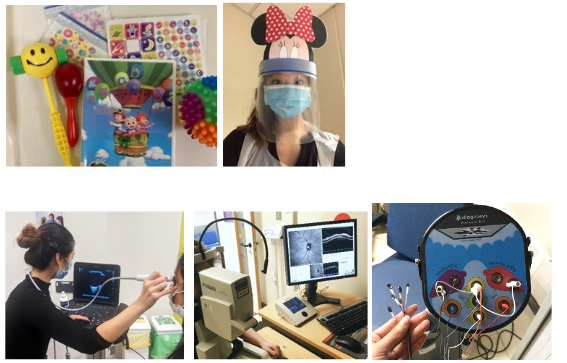
Hi I’m Linda and I’m a 3rd Year NHS STP trainee in Ophthalmic & Vision Science (OVS) at Great Ormond Street Hospital for Children NHS Foundation Trust. As OVS scientists, we carry out lots of different specialised tests to investigate the eyes and visual pathway (from retina to brain) – to help diagnose different conditions that might affect how someone sees!

We start the day by powering up our necessary equipment and performing daily checks. This is important to make sure all components are working, electrically safe, and properly calibrated to ensure accuracy of our results. We look through our patients booked for the day to get an understanding of their medical history, reason for referral, and any special adjustments they might need. We see children of all ages (from tiny babies to teenagers), and of all levels of vision, abilities and backgrounds – so we need to tailor our investigations both to the individual patient and to the diagnostic question.

As you can imagine, getting an active toddler to cooperate with tests that require lots of staying still is not always easy! We work together closely and dynamically as team with colleagues and parent/carers to help obtain the best data we can, as well as make the appointments fun for the young patient. Luckily, we’re well-stocked with toys, stickers, cartoons and songs.

The appointment might involve visual electrophysiology tests, ultrasound imaging, colour vision testing, eye-movement recordings, and/or retinal imaging. We then analyse and interpret the data to produce a clinical report of our findings, which the referring clinician will use to guide discussion during the consultation with the patient and their family.

As an STP trainee, as well as my daily clinical role, I have training and competencies to complete towards my portfolio, and sometimes academic teaching as part of the MSc, as well as my own research project. There are also additional opportunities to be involved in clinical research, audits and innovation, and healthcare science outreach. It’s a varied, exciting role where you’re learning every day, and using your knowledge and skills to benefit patient management.

THURSDAY: Genomics

First of all – what is genomics?

Genomics is the term used to refer to the study of the human genome. Whilst this field can also be referred to as genetics, genomics is now more widely used to reflect changes that have occurred in the field as we have moved from looking at individual genes to looking at large panels of different genes. Whilst this has greatly improved our ability to diagnose patients it has also provided new challenges.

Currently I’m on placement in the inherited cancer team, this largely involves analysing panels of genes associated with inherited high-risk of cancer, looking at the results of panels and classifying variants according to standardised criteria, looking at things like the prevalence in healthy individuals and those with cancer, functional analyses and information published about the variant. All this helps us to decide whether the variant is or isn’t disease causing. Complex cases are discussed at a regular Multidisciplinary team meetings to ensure a wide variety of expert input. Once any variants have been classified, I write the patient’s reports stating what has been found and what this means for them and their family

Throughout the STP I have worked in a wide variety of different teams looking at a wide range of different conditions and at test methodologies. From looking at the whole genome for large scale changes using Microarray or Karyotyping to single gene sequencing for specific conditions.

When performing any test it is important to understand what results mean for the patient and the benefits and limitations of the specific test used, all this information should be included on the patients report. It is also important to understand the technological aspects of testing and what quality control methods there are in place to make sure testing is accurate.

Whilst we don’t usually come into direct contact with patients the patient is always at the heart of the diagnostic service. In the first year of my training, I spent time with the Genomic Counselling service, who help patients and families through the testing process. This highlighted the importance of these results and the genuine impact these have on patients’ lives, and the impact on the patient’s sense of identity, their relationships, and their experience with genetic disease.

Overall, I am thrilled to be part of such an important and rapidly changing service and am looking forward to seeing what new opportunities and challenges the coming years bring.

FRIDAY: Medical physics

Hi, I’m Rachael and this is a day in the life of an Imaging with Non-Ionising Radiation STP Trainee. My Medical Physics specialism covers MRI and Ultrasound Imaging, so my teams provide Physics and other technical support to radiographer, sonographer, radiologists, and other users of these scanners.

My days involve setting up new MRI pulse sequences, to improve the clinical imaging or for research studies; QA and acceptance testing, using test objects to measure the performance of scanners; providing safety advice, training, developing safety policies and performing audits, to ensure patients and staff are receiving and performing these scans safely;

troubleshooting scanner problems; planning service improvements and undertaking research projects, such as establishing new QA procedures, to evaluate and expand our clinical services; and post-processing clinical scans.

SATURDAY: Cardiac Physiology
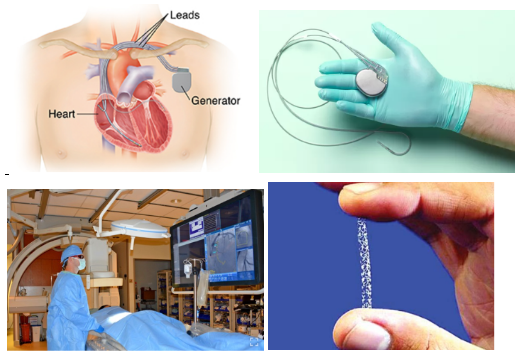
Cardiac physiologists are involved in the diagnosis and treatment of patients with heart conditions. I have chosen to specialise in cardiac rhythm management rather than echocardiography (ultrasounds of the heart). In cardiac rhythm management I perform and support a wide range of non-invasive and invasive procedures. My time is mainly split between pacing clinic and the catheterisation labs. In pacing clinic, we review patients with pacemakers and implantable defibrillators. We perform a range of tests to ensure the battery and leads that go into the heart are working well. Additionally, we assess patients’ symptoms and any stored arrhythmias. Based on all of these we may make changes to the device settings and programming if required.

In the catheterisation labs patients undergo a large variety of minimally invasive procedures that uses x-rays to guide the procedure. Small tubes (called catheters) are inserted via veins or arteries and fed into the heart. A common procedure is unblocking coronary arteries using small balloons and stents to hold the artery open, helping to prevent or treat a heart attack. Other procedures include pacemaker insertion or battery change, valve replacements, measuring the pressures in the heart and ablations (burning or freezing small sections of the heart to help stop irregular heart rhythms). While the consultant performs the procedure the role of the cardiac physiologist is to monitor the patients haemodynamic and ECG, perform additional tests, get equipment and write the report.

Posted in Events, Spring Event 2022, Training

LondonHCSTN Spring Event 2022 IACC Q&A

As part of the IACC session in our recent Spring Event, we were kindly joined by Professor Berne Ferry (Head of NSHCS, Dean for Healthcare Science) and Carol Higgison (Head of Assessment NSHCS), who helped to answer some of the questions put forward by attendees.

7th Mar 2022

Q: What should the timescale be for completing the IACC? When should we be starting this?

A reminder that the IACC is 3500 words narrative and 45 min interview. Deadline for the narrative is 16th June. It is strongly recommended not to leave this to the last minute and to try and work on getting your competencies signed off and drafting the sections of your critical reflective narrative to identify what additional evidence you may need.

Q: What are some major changes to the IACC & panel interview this year compared to last year?

Guidance is similar to last year, but trainees should use the most recent 2021 version of the Academy of Healthcare Science the Good Scientific Practice (GSP) https://www.ahcs.ac.uk/standards/. The interview will potentially include one or two scenario-based questions.

Q: For current Year 1s and Year 2s, will future completion likely revert back to an OSFA style assessment?

There is currently no plan to revert back to the OSFA style assessment. The IACC assessment is still new and so will continue to be improved between years.

Q: How do you recommend we prepare for the panel interview? Will it be based on our knowledge of the subject?

The panel interview will be assessing your readiness to practice and will include some scenario-based questions that will cover or more GSP domains, professional practice, and core modules. Ensure you are clearly identifying which GSP competencies are important for your role. You should still be targeting 100% completion of your portfolio for the IACC, but you can also explain how COVID has impacted your learning. It will be recognised that the IACC interview takes place 3 months before the deadline to fully complete your OneFile portfolio.

Q: What depth of reflection is expected within the IACC – do we need to say how our experiences made us feel and what we learnt?

Reflection is designed to help us process our emotions and learnings. The reflection in the narrative will be about reflecting on experiences, and focused on what you have learned and how you translate that into current practice E.g. Did this give you insight into how to approach a new scenario?

Q: Should we aim to cover every single bullet point within the good scientific practice guide?

The narrative should be a higher level synthesis and summary of your experience, rather than trying to cover every single bullet point. You need to create a narrative of your achievements,  development and learning.

Q: Do we need to be reflective in our competencies or just in the narrative?

Yes, if you are already being reflective in OneFile competencies this will be useful for the narrative. If you feel the level of reflection in your portfolio is currently lacking, it may be worthwhile revisiting these competencies.

Q: Do we need to try and cover as many of the Good scientific practice points as possible or a few but in greater depth?

This would be more of an individual choice and trainees should discuss this with their supervisor.

Q: Why haven’t we had any official communication from the national school about the IACC?

There has already been communication about the dates of submission and interviews currently published on the NSHCS website. Monthly updates will be included in the STP Monthly memo from March 2022. Trainees can also contact the official assessment email NSHCS.assessment@hee.nhs.uk with any questions.

Q: Are there examples of good reflective narratives we can have access to?

Since the narratives are on a ‘pass/fail’ criteria, not easy to say which was particularly ‘good’. The NSHCS do want to share examples of some previous narratives and are currently looking into getting permission from authors of these examples.

Q: Will the scenario situations ever be with patient actors?

No this will not happen with the IACC.

Q: For specialisms where you can do the competencies in a range of departments how do you ensure our assessor is from a relevant area?

Q: How does the school decide who your panel interviewers should be?

Interviewer panel will be experts in your specialty but will not be your own training officer. This year there will be a drive to broaden recruitment to a wider panel. While it is recognised that different specialisms will have different requirements and priorities, there will still be an aim to standardise the equivalence of questions asked in the panel.

Q: Will there be any webinars or additional information about the IAAC from the school?

Look out for the STP monthly memo for additional information webinars and support sessions coming up. The March memo is due to provide more information. https://nshcs.hee.nhs.uk/about/nshcs-newsletter/stp-monthly-memo/

Summary by Katie Cheswick, Charlotte Jones and Linda Shi, posted with permission from Berne & Carol. Q&A session facilitated by Gabriel Santos & Linda Shi.

Posted in OSFA Workshop

OSFA Workshop 2019

The London HCSTN hosted an OSFA workshop on 26th April 2019. I hope all who attended found it as interesting and informative as I did, but for those who couldn’t make it – read on to hear more!

By: Catherine Redshaw

Before we begin – what actually is the OSFA?

The ‘Objective Structured Final Assessment’ (OSFA) is a tool for assessing the practical skills trainees should have mastered prior to registration as a Clinical Scientist. They consist of 12 stations (9 specialist and 3 generic) and are designed to reflect routine practice in the workplace.

The Mock-OSFA workshop

The day focused on the generic section of the OSFAs. There was a great turn-out, with around 65 attendees from many specialisms across London.

First, Dr Frances Boa presented ‘An assessors point of view’ where she delivered an overview of what the OSFA entails along with what assessors are looking for. Next, Clare Anderson provided more helpful tips for the OSFA’s. This was followed by a Q&A session with trainers and assessors where we used sli.do to ask any burning questions, no matter how big or small. Lots of questions were answered and this session was greatly appreciated received a very high rating on the feedback forms!

Sli.do Q&A session

After some further discussions, we worked in groups of three to create our own generic OSFA stations. We were given time to write a question based on the professional practice competencies and then formulate an answer. The assessors circulated giving hints and tips on structure and content.

In the afternoon, we had a go at answering the questions other groups had prepared. One person acted as the trainee, another as assessor and the third as actor (if required). We had 12 minutes to attempt each question to practice answering at a suitable pace (12 minutes either feels really long or short – but I guess that depends how well the station is going!) It would of course be great to have real past OSFA questions with example answer schemes, but these are a tightly kept secret.

Trainees going over the practice OSFA questions

Overall, I found the event really useful. Here are the tips I found most valuable:

  • Don’t forget the basics of an answer, read through the question properly and think of how you would approach the situation in the workplace.
  • Ensure to understand the workings behind what we do (such as calculations). When working out an answer, speak aloud so assessors can hear our thought process.
  • Try to forget previous stations when moving on! Don’t get hung up on the past one if you believe you didn’t perform well.
  • The assessors can’t give anything away so don’t be put off by their straight faces or if they make notes.
  • Assessors cannot give extra hints or re-word questions.
  • There are no ‘killer questions’ –  if a correct answer is required to move to the next section of the station, assessors will provide it if necessary.
  • To pass, we need to be minimally competent – i.e. safe to practice.
  • The assessors assured us they want to us to pass and OSFAs are not something to be feared – though this will be hard to remember on the morning of!

The day ended with some well-earned drinks in a nearby bar, a great way to celebrate a successful event. Good luck to all the third years with OSFAs coming up soon – and for first and second years, I’ll see you at mock OSFA 2020!

P.S if you attended the day you should have received a copy of the presentations and trainee written questions – if not feel free to email us (londonhcstn@gmail.com). Remember the National School’s website contains loads of information about the OSFAs and you can receive support from us and the National School if needed.

Posted in Events, HCSWeek19

Healthcare Science Week – Skipton House Event

Our trainees represented the LondonHCSTN at NHS England’s (NHSE) London headquarters at Skipton House – during HCS week!

By Catherine Redshaw

The NHSE London Scientific Director and Lead Healthcare Scientists from around the region invited us to run a lunchtime stall at NHS England’s London headquarters at Skipton House during Healthcare Science (HCS) week 2019! Harriet, Stef and I went along to demonstrate the work of the trainee network board and represent clinical science trainees from each of our specialisms

This was an excellent opportunity to promote the work of HCS and was a really enjoyable day. It was interesting to hear how little some of the attendees (up to exec level in NHS England) knew about HCS and the route into our role. Especially considering healthcare scientists make up 5% of the workforce! We definitely made the most of this opportunity to promote HCS and the STP.

To promote cardiac science, I brought along some images of blocked coronary arteries and equipment, including stents, that would be used to treat this.  I also had some pacemakers and a defibrillator to show how we would help treat cardiac rhythm problems.

Harriet promoted the work of vascular science by displaying clear ultrasound images of veins and arteries from all around the body. Vascular science helps with the diagnosis and prognosis of all kinds of disease, including strokes!  

Stef hosted a fun interactive quiz about clinical genetics keeping a score board so we could congratulate the winner at the end!  


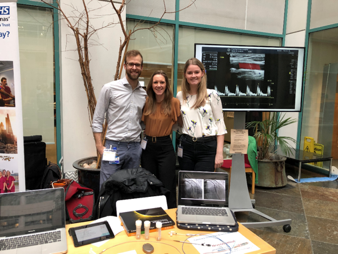
Stef, Harriet and I manning the LondonHCSTN stall

Other stalls included healthcare scientists from many specialisms. These consisted of audiology, who were performing hearing tests and genomics who were demonstrating DNA extraction using strawberries.  There was even an extract from award winning play ‘Nosocomial’ which used theatre to communicate the essential work of healthcare scientists in the NHS.

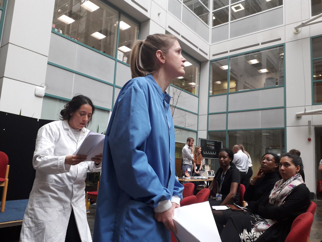
Scene from Noscomial

These interactive lunchtime sessions are simple but effective ways of getting the word out about healthcare science! To see more from HCS Week 2019 checkout #HCSWeek2019 on Twitter.  


Posted in HCS Education, Health, Medical, Training

UCL Deafness, Cognition and Language Research Centre releases an online deaf awareness training course for Audiologists

There’s a new online course for Audiologists who want to acquire skills to:

  • Employ appropriate behaviours and language when interacting with deaf and hard of hearing (HoH) patients
  • Distinguish between communication preferences and adapt your communication to the patient’s needs
  • Recognise legal requirements (Equality Act, 2010 and Accessible Information Standard, 2016) to provide reasonable adjustments related to disability
  • Identify commonly used assistive technologies and apply them to the needs of the patient. AND Learn at your own pace.

Accredited by British Society of Audiology for CPD.

Cost – £39.00

More information can be found at http://bit.ly/DCAL_DA_Aud

Keep an eye out for additional courses specifically geared to other profession(s) which will soon be released for doctors, nurses, other professions associated to medicine and for administrative staff.

Posted in Events, Medical, Meeting Summaries, Training, Uncategorized

CSO’s Annual Conference 2019 – #LTF2030

One of our trainees attened the NHSE CSO’s Annual Conference a couple of weeks ago. Read on for a summary of the event and thoughts about the event.

By Haroon Chughtai

On the 7th and 8th of March healthcare scientists from across the nation descended upon London to attend the Chief Scientific Officer’s Annual Conference. This year’s event was entitled “Leading the Future – 2030” and focussed on how healthcare scientists are and can work nationally to drive the future NHS. This was the second year that I’ve had the opportunity to attend, and as last year, it was an inspiring and thought provoking experience.

CS-Who’s Conference?

Before I describe some of the talks and topics that were discussed, a little bit of background. The conference is hosted by NHS England’s Chief Scientific Officer, Dame Professor Sue Hill, who is the lead for the NHS’ healthcare science workforce. In addition to this, you may have heard her name as the lead in establishing the NHS Genomic Medicine Centres and spearheading the NHS contribution to the 100,000 Genomes Project.

The format of the day included plenary sessions, interactive panel discussions and workshops, as well as ample time for networking.

HCS & the LTP

What we’re trying to achieve

A significant focus of the two days was looking ahead to what the role of healthcare scientists will be in the delivery of the NHS Long Term Plan. Rather than go through each talk, here’s a quick summary of three of the themes covered during the two days.

The Digital Agenda

One of the key themes that was present was around how digital transformation is an essential enabling step to deliver the future we wish for our staff and patients. This forms a large part of the underlying infrastructure needed for delivering the Long Term Plan, as well as in enabling the areas highlighted in The Topol Review.

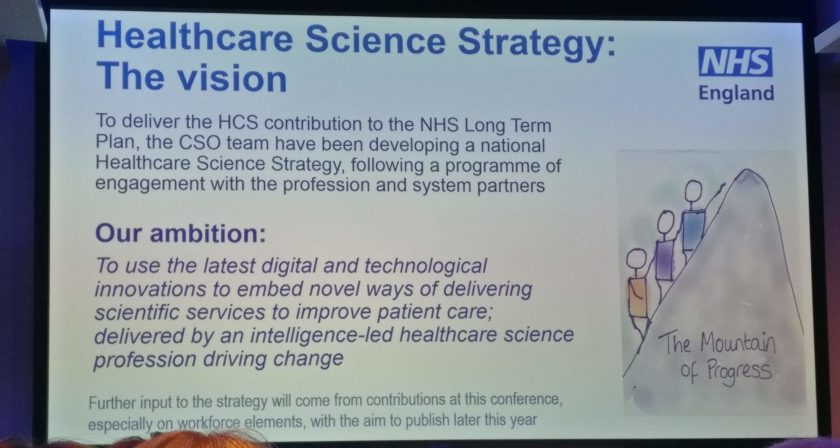
A slide from Matthew Swindells’ talk

Matthew Swindells, NHS England’s National Director for Operations and Information presented some ideas on how the NHS would be using better digital platforms to support care across healthcare. Only by being able to share information easily, effectively and securely between groups that need it can we have a future where we are able to make an informed decision for a specific person’s healthcare no matter if their GP is in Carlisle, they’re admitted to a hospital in London, and have their samples analysed by a lab in Manchester.

The Impact on Primary Care

Such a challenge was highlighted by Dr. Nikki Kanani, a GP in south-east London and Acting Director of Primary Care for NHS England. She spoke of how primary care is changing as people now have increased access to their personal data – in her case, a patient attending a clinic with a couple of their genetic data on a memory stick. Such changes will occur whether or not the NHS drives them, so we must keep up to ensure that we can continue providing the care that people expect. Dame Prof. Sue Hill mentioned how this may require more involvement of healthcare scientists in the community as point-of-care technology and other diagnostic tests become even more ubiquitous.

Partnering and Innovating

The thought of working with industry causes some in the NHS to shrink back in fear – however a number of speakers mentioned the advantages to the patients, the NHS, and themselves. The challenge is in ensuring that the NHS and our patients get the benefit of such collaborations as much as commercial companies do.

One of the main themes of the two days

Dr Liz Mear, Chief Executive of the Innovation Agency spoke of the work being done with The Academic Health Science Network to help spread innovation more effectively in the NHS so that health can be improved and economic growth generated.

This theme of partnering and innovating was also emphasised by Professor Tony Young OBE, the National Clinical Lead for Innovation at NHS England. He spoke of the Clinical Entrepreneur Programme which gives healthcare professionals the opportunity to develop innovations from within the NHS. From my perspective as a trainee clinical informatician who spends much of my time developing software, it is an exciting indication that there are opportunities for innovation without having to jump over to the private sector. One of the workshops on the second day expanded on this further to point out the benefits of partnering to improve information and knowledge across industry and the NHS through Knowledge Transfer Partnerships.

In Summary

I left the CSO’s Conference with a sense of excitement about the vision for the NHS’ next decade, and the place that Healthcare Scientists can and should have in it. There is always a lot of work to do to go between national policy and local implementations, but I truly think that all of us have a part to play in making that happen, whatever our formal positions. This echoes advice given by Kiran Chauhan, a Senior Development Adviser at NHS Improvement, who gave advice to “get involved beyond your remit and support your organisation more widely”. My take home messages for the future of Healthcare Science, were to seek partnerships to improve our services wherever we can find them and to work across specialisms, disciplines, and professions. After all, we’re all here to get the best for our patients.

Posted in Events, LondonHCSTN, Training

STP Winter Event 2018

We ran our annual STP Winter Training Event on the 17th of December and had a fantastic turn out over 70 trainees from across London and the South East.

Multidisciplinary Healthcare Science

In the morning, trainees worked on multidisciplinary healthcare science case studies to share how their specialism would be involved in different aspects of the patient pathway. Trainees said that they enjoyed learning about other Healthcare Science specialisms from each other and found this a useful opportunity to practice their communication skills.

Clinical Coding

Dr. Caroline Spencer from Guys and St. Thomas’ Hospital helped us understand what clinical coding is, why it is important and how healthcare scientists can help by adding clear information into the patient’s case notes (where appropriate). This training should help with understanding how patient notes are used for national statistics, epidemiology and of course for reimbursement for what was carried out.

Leadership

Next up we had a great interactive session on leadership with Mark Cole from the London Leadership Academy. This covered how complex leadership can be, and how we can be agents for change within the NHS. We can only hope that we’ll do Mark justice in our future careers being pioneers in healthcare.

Sources of support

Katherine Hankins from the Professional Support Unit introduced us to the free support that is available for STPs. There are one to one support sessions, workshops and online courses available to cover assessments, relationships and professionalism, assertiveness, psychological problems and even career planning.

Writing tips

After lunch we were lucky enough to be joined by Miranda France, who is a Royal Literary Fund Fellow at Great Ormond Street Hospital. She gave us 11 tips for writing better and is also available for any healthcare science trainees in London and the South East to have one to one help with their writing for free.

Healthcare scientists’ potential and how to unleash it

Dr. Elaine Cloutman-Green from Great Ormond Street Hospital gave us an inspirational talk on how much potential healthcare scientists have, and how much we can shape our profession. While the road to success is filled with setbacks, she challenged us to say yes to more opportunities and to let passion, purpose and principles guide us.

Interactive sessions: Help with the STP & Senior Healthcare Scientist Panel

We went for something new this year and had two interactive question sessions using an anonymous question platform.

Our first session was based on questions about how to make the most of your STP training. We had great questions on electives, how to deal with workplace issues, how to ensure you get the best training possible and advice on the STP portfolio. These questions were answered by the other trainees at the event, as well as the board if they could come up with some extra points.

We were very lucky to have a collection of seniorlead healthcare scientists for a panel discussion. Questions related to their roles and how we can feed into them, career planning, driving change, the future of healthcare science and the challenges faced in healthcare science. We’d like to thank all of our panel members for a great session.

  • Dr. Anna Barnes, University College London Hospitals
  • Prof. Berne Ferry, National School of Healthcare Sciences
  • Dawn Clare-Paule, University College London Hospitals
  • Dr. Elaine Cloutman-Green, Great Ormond Street Hospital
  • Dr. Emma Walker, Imperial College Healthcare Trust
  • Mark Squirrell, Guys and St. Thomas’ Hospital
  • Michelle Martin, Barking, Havering and Redbridge University Hospital
  • Dr. Phillipa May, Royal Free London

A Clinical Scientist’s Journey

To wrap up our last session, Professor Berne Ferry (Head of the National School of Healthcare Science) gave us an overview of her career to get to this point, where we can aim with our careers, and how the National School is there to support us.

Thanks from The Co-Chairs

First of all, we’re very grateful to all of speakers and panelists who gave up their time to help run the sessions. Secondly, we went larger with this event than we’ve done before and are glad that we had such great engagement from all the trainees who attended. We’d like to give a final thank you to the whole of the London Healthcare Scientist Trainee Network Board for their exceptional work to organise and facilitate the event.

Stefan Piatek & Haroon Chughtai
Co-Chairs, LondonHCSTN

Posted in Events, HCS Education

Healthcare Science Education Event 2018

On the 27th September some members of the LondonHCSTN board were given the opportunity to host our own workshop at the annual Healthcare Science Education event delivered by NECL healthcare scientists. The whole day was a fantastic event full of inspirational speakers and enthusiasm for healthcare science education.

The afternoon was formed of concurrent workshops including our own workshop which focused around portfolio based learning!

The workshop was aimed at discussing the challenges of portfolio based learning and working together to come up with means to address the challenges. We were fortunate to have a range of attendees including portfolio-based trainees, training officers and training assessors who were all able to give different perspectives on understanding and addressing the challenges.

Five main challenges were posed to the attendees to discuss and feed back on, we have listed these below with some helpful suggestions from participants.


Placement competencies – who signs them off and what to do if they are unreachable

  • Organise delivery of training with responsible individuals prior to training commencement, it is then clear who is responsible for what, and workload can be anticipated ahead of time
  • Take advantage of OneFile’s ability to remind people on your behalf!


Competences that are outside the scope of your specialism’s practice, or where no training has been given

  • Feed back to the NSHCS that specific competences outside the scope of practice should be instead treated as experiential learning
  • Have a verbal conversation with a reviewer which is then submitted as video evidence
  • ‘Take the spirit’ of the competence and apply it to something within the scope of practice


Different expectations of detail and competence

  • Use existing laboratory policies for competence in practice and apply these to training
  • Set up a training committee within the Trust to standardise and improve training
  • Share accepted competencies between trainees and trainers to establish what should be expected


Getting acceptable work signed off quickly

  • Incentivise trainers by emphasising the benefit of training for CPD
  • Keep competencies concise to reduce workload for trainers and trainees


Knowing who will train and assess the competency and the time frame for this

  • Establish good communication between the host department and rotational departments
  • Establish a contingency plan for if a member of staff leaves unexpectedly during training


We would like to say a big thank you to all those who attended the workshop and provided such good feedback to help us all to tackle these challenges going forward.